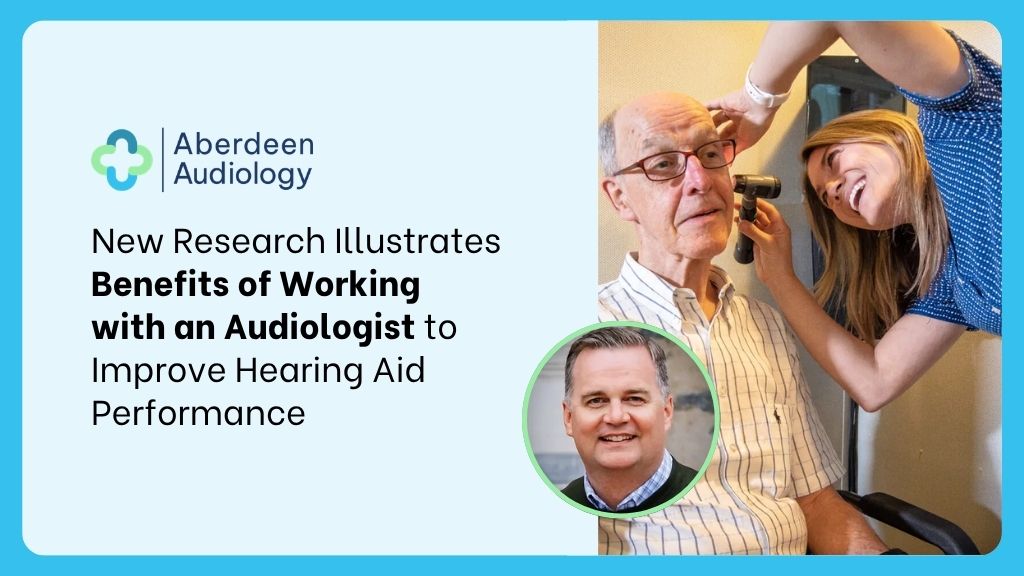
New Research Illustrates Benefits of Working with an Audiologist to Improve Hearing Aid Performance
Background
In recent years, the Food and Drug Administration (FDA) has altered regulations regarding hearing aids, allowing for over-the-counter hearing aid sales. Prior to October of 2022, over-the-counter hearing aids were not permitted for use, only prescription hearing aids that were fit and dispensed by a licensed hearing healthcare provider were permitted.
The new category of devices, known as "OTC hearing aids" has created a considerable amount of confusion among patients who wonder whether to visit an audiologist or to go the "DIY" route, so to speak, and purchase devices over-the-counter.
Fortunately, a new randomized clinical trial, one of the most rigorous types of research design, provides clear answers, suggesting that while all hearing options offer benefit, maximizing a person's outcome and benefit depends less on the device's price tag and more on the quality of the fitting and ongoing service that configures the hearing aids and guides patients in their use.
The Study
In, "Hearing Aid Service Models, Technology, and Patient Outcomes A Randomized Clinical Trial", recently published in JAMA Otolaryngology–Head & Neck Surgery (Vol. 151, No. 7), researchers sought to determine the effect of two main factors on patient outcomes among 295 adults (age 55+) with mild to moderate hearing loss:
1. Service Model
- AUD (Audiologist-fitted): Prescription HAs fitted by audiologists using best practices.
- OTC+ (Hybrid): OTC HAs with limited professional services from an audiologist.
- OTC (Independent): Participants independently used OTC HAs with no professional support.
2. Technology Level
High-end (advanced features) versus low-end HAs (same generation).
Using data collected from the 295 study participants using detailed questionnaires, the most critical finding was the clear benefit of the combination of prescription hearing aids dispensed by an audiologist and follow-up care with an audiologist. The AUD service model produced significantly better overall patient outcomes than both the OTC+ and OTC models.
Key Takeaways About the Service Models
- Satisfaction is Higher with an Audiologist: Participants in the AUD model reported significantly greater overall satisfaction with their hearing aids compared with those in the OTC and OTC+ groups.
- Limited Service is Not Enough: The hybrid OTC+ model, which offered some basic audiologist input, did not yield superior results compared to the independent OTC model. This suggests that quality outcomes require in-depth, best-practice services—like real-ear measures and customized configuration—rather than quick, streamlined appointments.
- All Options are Effective: It is important to note that both OTC and OTC+ models still showed generally positive outcomes, though not to the same degree as when the subjects worked with an audiologist.
Interestingly, the study also found no significant difference in general patient-reported outcomes between high-end and low-end hearing aids.
This suggests that for individuals with mild to moderate hearing loss, the higher costs associated with advanced features in a high-end device may not translate into a measurable overall improvement in daily life compared to a more basic, low-end device of the same technology generation. This lack of difference does not mean technology is irrelevant, but rather that the clinical fitting process and working with your audiologist to choose the right technology level for you is what truly unlocks a device's potential.
The study findings illustrate what we have always known at Aberdeen Audiology: If you are considering a hearing aid, the expertise of your audiologist is invaluable. Personalized fitting, best-practice care, and ongoing support maximize the effectiveness of your device—regardless of whether it's a high-end or a low-end model.